Every dollar we raise, every family we support, and every research grant we fund moves us closer to defeating DIPG and all forms of childhood cancer.
Res.
Research Funding
We fund breakthrough research at leading institutions, supporting scientists who refuse to give up on finding cures for DIPG, pediatric brain tumors, and all forms of childhood cancer.
A childhood cancer diagnosis devastates families emotionally and financially. Our aid fund provides direct assistance — covering travel, lodging, and everyday expenses.
We fight for more federal funding for pediatric cancer research and push for policy changes that give families facing DIPG and all childhood cancers access to clinical trials.
"His vibrant energy and love for life inspire everything we do."
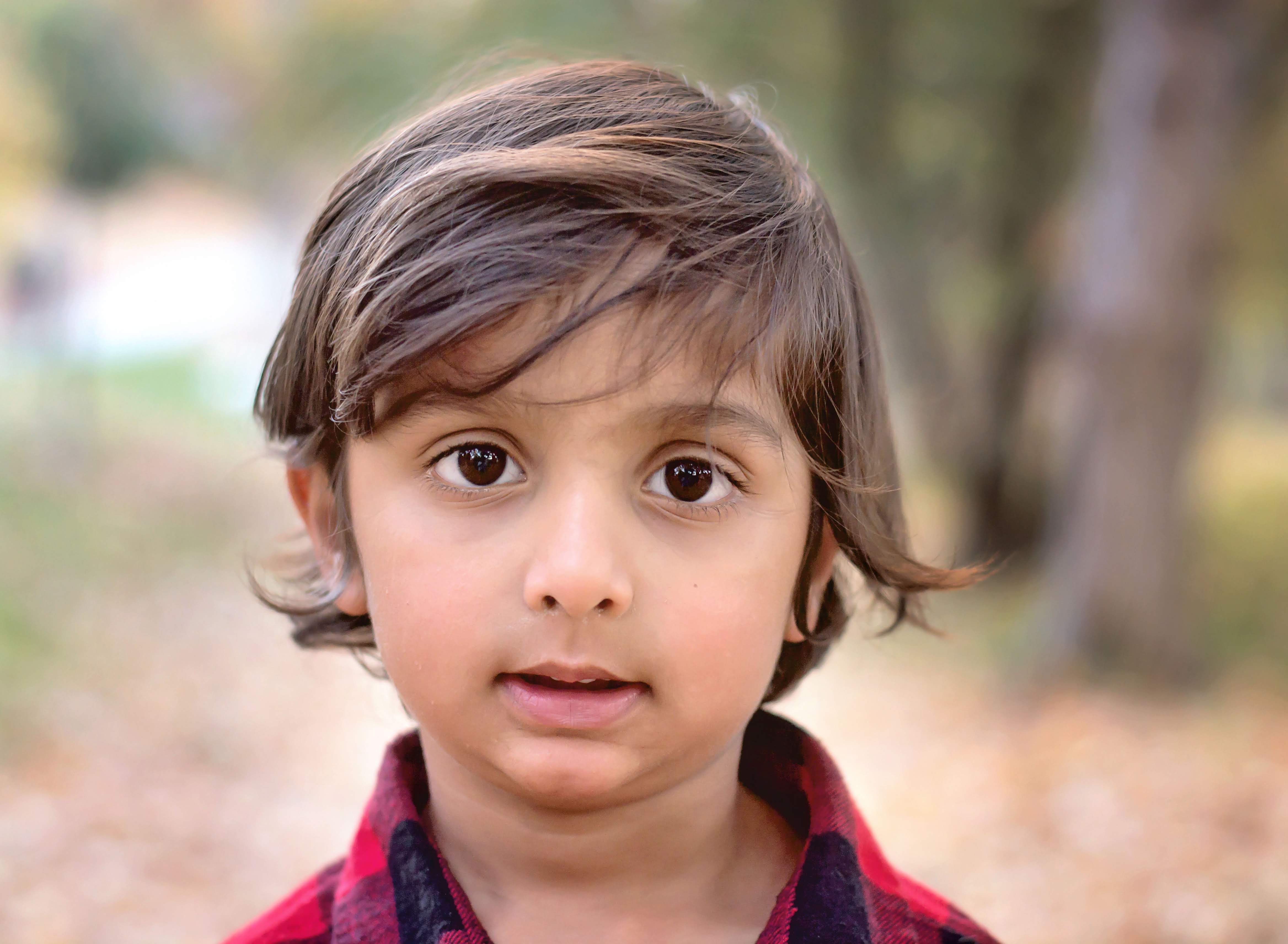
Neev Kolte was a four-year-old Pleasanton boy full of life — he loved animals, especially hummingbirds. He even named one that visited his backyard "Cutiepie Grapes." He loved growing vegetables in the garden and spending time with his family and older brother Rayaan.
In August 2020, Neev was diagnosed with DIPG. For more than a year, his family fought alongside him. Neev passed on November 30, 2021, at the age of six. His memory is the reason this foundation exists — and his spirit drives every grant we fund, every family we support, and every law we help pass.
From DIPG to all pediatric cancers — we fund research, support families, and advocate until every child has a fighting chance.
Neev Kolte
"He loved hummingbirds, growing vegetables, and making everyone around him smile."
— Misha & Sandeep Kolte
Make a Difference
Your gift saves lives today.
$25/month funds one research sample analysis
$50/month supports a family's travel to treatment
$100/month contributes to a research grant
$500 names a grant in a child's memory
Give Today
100% of your donation goes directly to our programs.
Get research breakthroughs, family stories, and event updates delivered to your inbox.
Research & Advocacy Partners
UCSF
DIPG-DMG Research Funding Alliance
ACS CAN
CAC2
Children's Hospital of Philadelphia
If your child was recently diagnosed with DIPG or another childhood cancer and you need immediate support, call us: (619) 341 0836 or visit neevkoltefoundation.org
Know Neev
He Wanted Everyone to Win
The story of Neev Kolte — a boy whose spirit drives everything we do, and the foundation built in his name.
His Life Before
He Wanted Everyone to Win
Neev Kolte was born on Wednesday, October 21, 2015, at 12:05 am. His name means foundation in Hindi and in every sense of the word, that is exactly what he was. Not just the youngest member of our family, but its quiet center. Its glue. The one whose presence made everything feel complete, and whose absence made everything feel different and broken forever.
He arrived in the world in the earliest minutes of a Wednesday morning, and from the very beginning, he seemed to understand something the rest of us spend our whole lives trying to learn: that the point of being here is to make sure everyone else feels glad they're here too.
At a game of Bingo, Neev once noticed someone across the table was about to lose. Without hesitation, he quietly slid his own winning card over to them. "In my game," he said, "everybody wins." He was five years old. That was just who he was.
At preschool, he had a quiet superpower: every time a new child joined the class, Neev made sure they had someone to sit with at lunch. Not because a teacher asked. Not because anyone was watching. He simply noticed the child who might be alone and moved toward them. Kindness wasn't something Neev performed. It was something he breathed.
He was also, without question, one of the funniest people in any room. His favorite joke — delivered with total commitment, every single time — was: "Why did the orange lose the race? Because he ran out of juice." He would dissolve into laughter before he finished the punchline, and then look around to make sure everyone else was laughing too. Even in hospital rooms. Even on the hardest days. The joke never got old to him. Somehow, it never got old to anyone around him either.
He loved tomatoes like other kids love candy — popping cherry tomatoes one by one, red juice on his fingers, eyes full of pure delight. His family joked he might actually turn into one. He just smiled and ate another. He loved books with the same intensity, pretending to read from memory until sleep finally found him, his small fingers tracing words like treasures waiting to be discovered. He loved Christmas with his whole heart, the gingerbread cookies he'd bake and share with his brother Rayaan, the Santa hat he'd pull on.
He made his dad pause a work meeting mid-sentence to come outside and look at a lizard on the wall. "Dadda! Come out, there's a lizard on the wall!" He said it like he'd just found something rare and extraordinary — because to Neev, it was. That was his gift: he made the ordinary feel worth stopping for. A lizard. A passing boat on the Bay. A cherry tomato. A spider in a corner. He saw wonder in all of it, and he could not rest until the people he loved saw it too.
During a trip to Discovery Bay, he sat on a wooden deck in his backwards Oakland A's cap, fishing rod beside him, sunlight glinting off the water, completely, perfectly at peace. His dad called out something silly from a kayak nearby and Neev burst out laughing so hard that "crows and tomatoes" became the family's permanent secret code for joy. They still say it sometimes. And when they do, it feels like he's right there, cap backwards, laughing.
August 2020
The Diagnosis
In August 2020, in the middle of a global pandemic, Neev was taken to urgent care. He had been riding his scooter that morning. He was four years old. His eyes were red, his mom thought all he needed were glasses.
It was DIPG — Diffuse Intrinsic Pontine Glioma, which is now reclassified as Diffuse Midline Glioma or DMGs. A rare, catastrophic tumor that forms in the brainstem of children, most often between the ages of five and ten. There is no cure. There has never been an FDA-approved treatment beyond radiation. The median survival after diagnosis is nine to twelve months.
What is DMG/DIPG?
300–400 children diagnosed annually in the U.S.
Median survival: 9–12 months after diagnosis
No FDA-approved treatments beyond radiation therapy
Less than 9% of pediatric cancer research funding from NIH
Under 1% five-year survival rate
Inoperable due to location in the brainstem
In 2020, the landscape for DIPG families was stark. There was almost no information, very few experts, and almost no viable clinical trials available. The disease had been chronically underfunded and underresearched for decades. Families facing a DIPG diagnosis were largely left to navigate an overwhelming medical system alone, with few options and little guidance.
Neev's family refused to accept that. They educated themselves, questioned treatments, sought second and third opinions, and pushed into every corner of medical research to find options for him. Over the course of fifteen months, Neev participated in four phase 1 clinical trials — access made possible only because other families, years before, had fought hard enough to fund the research that created those trials in the first place.
Through it all, Neev fought with a grace and resilience that defied everything. He learned to walk four times. When a treatment caused his right hand to stop working, he taught himself to write, draw, and color with his left. He collected Beads of Courage: one for every blood draw, every MRI, every procedure, every chemotherapy he took. And when his preschool class held show-and-tell, while the other children held up toys and drawings, Neev held up his beads. His eyes spoke what words no longer could.
He never complained. He never gave up. He just kept going.
Neev passed away on November 30, 2021, one month after his sixth birthday. He never lost a tooth. He never walked into his school. He never played his first soccer game. He left us. But he did not leave us empty. A purpose and promise to let everyone win.
Our Foundation
Why We Began
Grief does not ask for permission. It arrives, and it stays, and it changes the shape of everything around it.
But we made a choice. Not to move on, because you do not move on from a child. You move forward, carrying them. We chose to carry Neev forward in the most Neev way we could imagine: by making sure someone else's child gets a chance he didn't have.
That is why the Neev Kolte Foundation exists.
It was born not from policy or strategy, but from a family's immense love for their child — and from the unbearable clarity that comes when you watch a brilliant, generous, joyful child face a disease that medicine has largely left behind. DIPG receives less than 9% of pediatric cancer research funding from the National Health Institute. Approximately 300 to 400 children are diagnosed each year in the United States alone. The five-year survival rate is under 1%. These are not just statistics. They are children. They are families. They are parents who will one day sit in a hospital room with a tiny Christmas tree, hoping Santa comes.
We created this foundation because Neev deserved better. Because every child with DMG deserves better. Because the science is moving, slowly, but it is moving — and family-led foundations like ours are part of what moves it.
We are not waiting for someone else to fix this. We are doing it ourselves, in his name, with his spirit leading the way.
His Spirit Lives On
Who Neev Was — And Why It Matters
Most foundations are built around a cause. Ours is built around a person.
Neev Kolte was spirited, precise, and full of quiet design. He was playful and principled, the boy who refused to count a goal his dad scored while he was looking at a bird, because fair was fair. He was the boy who defended a spider his dad was about to brush away — "Dadda, it's nature! Leave him alone!" — with the moral certainty of someone who had thought this through carefully and arrived at a firm conclusion. He couldn't stand the idea that anything small and alive should be dismissed.
He loved his big brother Rayaan so completely that if anyone upset Rayaan, Neev would fold his little arms, go utterly silent, and refuse to speak to a single person until smiles returned and everything was right again. His loyalty was absolute. His love was not quiet — it was total.
That is the animating spirit of this foundation. Not just to fund research, though we fund research. Not just to support families, though we support families. But to build something that reflects who he was: generous, curious, joyful, and absolutely committed to making sure no one faces the hard thing alone.
Cutiepie Grapes
Why Hummingbird
Neev loved all things nature. In the backyard of their home, hummingbirds are constant visitors. Neev and his brother Rayaan were both captivated by them — darting, hovering, impossibly small and impossibly vivid. Naturally, the brothers fought over what to name the hummingbird that kept returning. Neev had his name. Rayaan had his. Neither would budge. So, in the way that only families can resolve these things, a compromise was reached: the hummingbird was named Cutiepie Grapes.
It is impossible to say those two words without smiling. Which is exactly the point.
The hummingbird is one of the smallest creatures in the world and one of the most relentless. It can hover in perfect stillness while everything around it moves. It travels thousands of miles on a single migration, defying every expectation of what something so small should be able to carry. It weighs almost nothing. It carries everything.
In many cultures and spiritual traditions, a hummingbird appearing after the loss of a loved one is not considered coincidence. It is considered a visit — a sign that the person you are missing is near, that their spirit is still moving, still luminous, still full of the joy they carried in life. Many who grieve speak of a hummingbird arriving in a moment of sadness or stillness, hovering just long enough to say: I am still here. Keep going.
For our family, when a hummingbird appears — in the garden, outside a window, in an unexpected quiet moment — it carries one name. And somewhere, two brothers are still arguing over what to call it.
Our Mission
What We Do
Since our founding in 2022, the Neev Kolte Foundation has worked to close the gap between where DMG research is and where it needs to be — and to make sure that every family walking that road feels less alone than we did.
We fund research. We support families in crisis. We advocate, in Washington and California, at the world's leading cancer conferences, alongside pediatric brain cancer families, researchers, physicians, pharma partners, and regulatory bodies — for the children who cannot yet advocate for themselves.
We do this work with the belief that Neev's story is not finished. It continues in every lab that receives our funding. In every family that receives our support. In every policy that shifts because someone was in the room speaking up for children with DMG.
He wanted everyone to win. We intend to make that happen.
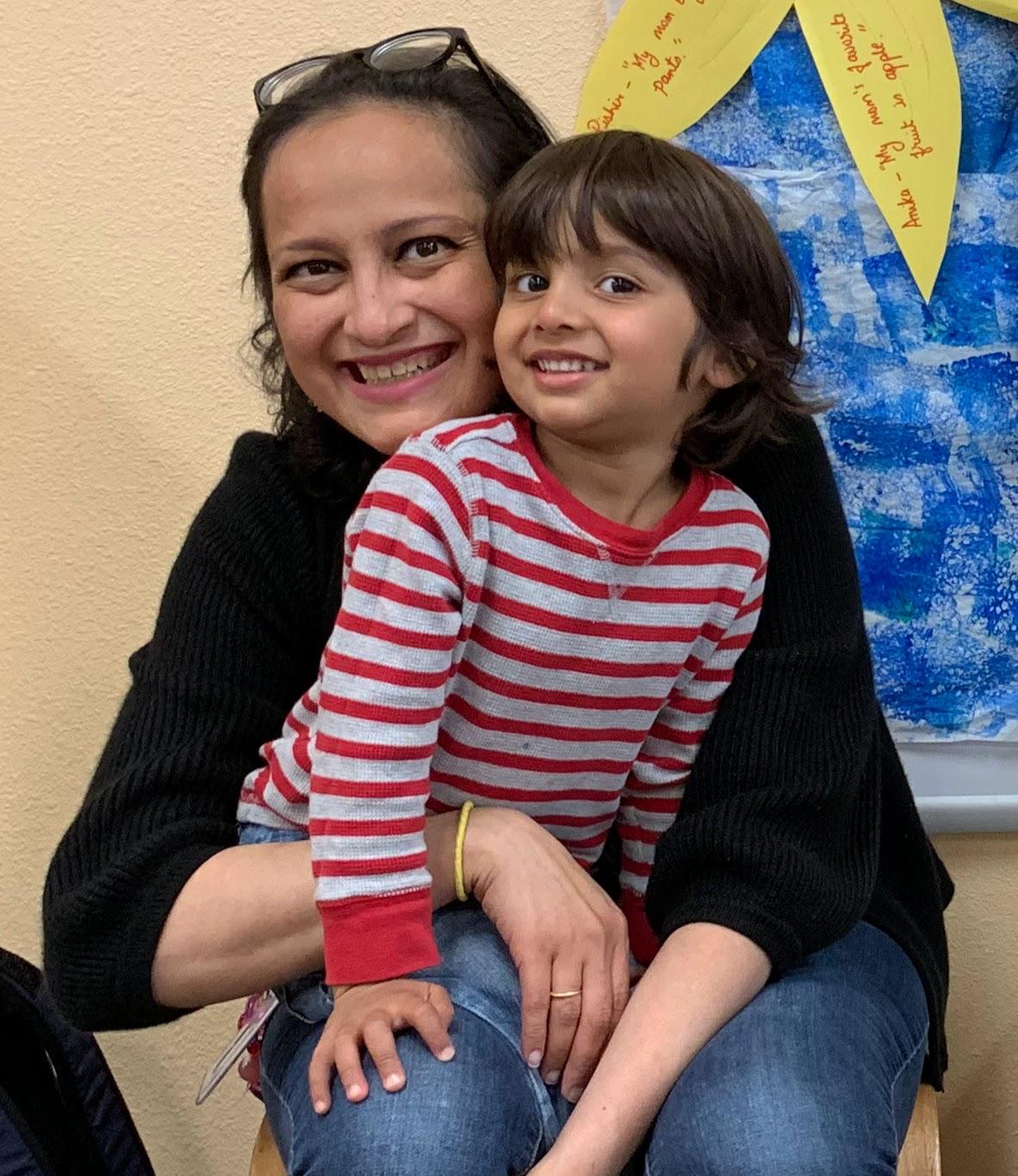
"He never gave up. Even when his body was failing him, he found ways to keep going. He learned to walk four times. When a treatment caused his right hand to stop working, he simply taught himself to write and draw with his left. He never complained. He just adapted.
And in that, he taught me everything I know about strength, courage, and what it truly means to show up even when it's hard.
Whenever I feel like giving up, I remember him — my little boy who met every setback with love, grit, and grace.
This foundation is not my grief. It is his legacy. And it is the most important thing I have ever done — except, of course, being a mother to Neev and Rayaan."
— Misha Mehta, President & Co-Founder
The Neev Kolte Foundation was formerly known as the Neev Kolte & Brave Ronil Foundation from 2023 to 2026.
-->
Meet Our Leaders
Our Team
Dedicated professionals united by a shared mission to end childhood cancer.
Led by People Who Know
Our team combines professional expertise with personal experience. Together, we're dedicated to funding research, supporting families, and advocating for systemic change in childhood cancer care.
Our diverse team brings expertise in research, medicine, technology, advocacy, and family support. What unites us is our shared commitment to honoring Neev's legacy and ensuring that no family faces childhood cancer alone.
Give Today
Your Gift Funds the Fight Against Childhood Cancer
Every dollar goes to research, family support, or advocacy. No child should face cancer without hope.
Make a Donation
Choose your impact and complete your gift securely below. 100% of your donation goes directly to our programs. 501(c)(3) EIN: 88-4163158.
Impact of Your Gift
Here's exactly where every dollar goes:
Research Funding80%
Family Support12.5%
Advocacy7.5%
$25 funds one research sample — $50 covers a family's travel day — $100 contributes to a research grant — $500 names a grant in a child's memory
Accepted Payment Methods
We accept all major payment options through PayPal's secure platform:
PayPalGoogle PayVisaMastercardAmexVenmo
Safe & Tax-Deductible
All transactions are encrypted and processed by PayPal. We are a registered 501(c)(3) nonprofit — your donation is fully tax-deductible. EIN: 88-4163158.
Corporate Matching
Many employers match charitable donations — double your impact by checking if yours does.
"I filled out the form on a Tuesday. By Friday, the Foundation had covered our hotel."
— Ana, mother of Rodrigo, age 7
For Siblings & Youth
You Are Not Alone in This
Resources and community for siblings navigating childhood cancer, and opportunities for youth to advocate for change.
For Siblings
What It Means to Be a Sibling
When a brother or sister is diagnosed with cancer, life changes instantly. You may feel scared, helpless, guilty for being healthy, angry, or forgotten. These feelings are all normal. Your sibling's diagnosis affects your entire family — and it affects you too.
You Are Not Alone
Thousands of siblings face this every day. The Neev Kolte Foundation recognizes the unique challenges you face, and we're here to support you through emotional resources, community connection, and opportunities to channel your feelings into meaningful action.
What Siblings Often Experience
Feeling scared or uncertain about the diagnosis
Worrying about your sibling, parents, and family's future
Feeling sidelined as attention focuses on the sick sibling
Guilt about being healthy while your sibling suffers
Anger at the unfairness of the situation
Confusion about how to help or talk about your feelings
Sibling Support Resources
Peer Support Network: Connect with other siblings who understand what you're going through.
One-on-one counseling: Talk to someone trained in supporting siblings through childhood cancer.
Family counseling: Help your entire family navigate this together.
Support groups: Monthly gatherings (in-person and virtual) for siblings to share experiences.
Educational resources: Understand the diagnosis, treatment, and what to expect.
"Knowing I wasn't the only sibling dealing with this made all the difference. I wasn't alone, and that changed everything."
— Jordan, age 14
Youth Leadership
Turning Pain Into Purpose
When your sibling is diagnosed with childhood cancer, you have a unique platform and perspective. You can speak to legislators, share your story, raise awareness, and advocate for changes that will help every family facing this disease. Many of the most powerful voices in pediatric cancer advocacy are siblings like you.
Adv.
Advocacy & Legislative Work
Join our youth advocacy team. Share your story before Congress, speak at state legislative hearings, and help shape policy that affects families like yours. Rayaan's testimony helped pass AB 703 in California — and your voice can drive change too.
Out.
Awareness & Community
Help organize awareness campaigns, speak at schools and community events, and build public knowledge about pediatric cancer. Your peer perspective resonates in ways adults' voices cannot.
Peer
Peer Mentoring
Support other siblings who are just beginning this journey. Your experience becomes their guide. Lead peer support groups, host online chats, or mentor one-on-one.
Rayaan's Story: From Grief to Action
When his younger brother Neev was diagnosed with DIPG at age 6, Rayaan felt sidelined as all the attention focused on his brother's treatment. Instead of letting that pain fester, he channeled it into action — turning his grief into a mission to help other siblings in his exact position.
June 2022 — The Lemonade Stand: Rayaan and his friends Athena and James set up a lemonade stand with a simple goal: raise money to buy a gift for a sibling of a child fighting cancer. He understood firsthand that siblings often feel forgotten. The lemonade stand raised $250, enough to buy gifts for children whose brothers and sisters were in the fight.
November 2022 — The First Toy Drive: Inspired by a toy drive sign he'd seen, Rayaan came up with the idea to collect toys for pediatric cancer patients. When his school teacher shared his story with other families, the community responded in ways he never expected. Day after day, children lined up behind Rayaan, each carrying bags of toys. By the end, nearly 300 toys had been donated to UCSF Benioff Children's Hospital at Mission Bay. The local news covered the story, and it sparked something even bigger.
Three Years of Impact: What started as one boy's grief has grown into a tradition. Over the past three years (2022–2025), Rayaan and his community have collected and donated a total of 1,150 toys to UCSF Benioff Children's Hospital and Stanford Lucile Packard Children's Hospital — gifts that bring joy and normalcy to children in the midst of their hardest fight.
At age 12, Rayaan went on to deliver powerful testimony before the California State Assembly in support of AB 703, a bill to increase pediatric cancer research funding. His words helped move that bill to victory — and showed legislators that young people care deeply about this issue. Today, he continues to advocate, speak, and raise awareness across California and beyond.
"My brother's diagnosis gave me a mission. I want every sibling to know that their feelings matter, their voice matters, and they can be part of the solution. And I'm proof that grief can become purpose." — Rayaan
Get Involved
Ready to Advocate?
Whether you want to share your story, join advocacy efforts, or support other siblings, we want to hear from you. Young advocates are the heart of this movement.
FAQ
Questions for Siblings
Is counseling free? +
Yes. We provide free mental health resources and counseling for siblings. Financial barriers should never prevent you from getting support.
I'm worried people won't understand. +
That's completely normal. Our sibling support groups are full of people who get it. You don't have to explain or justify your feelings — they're all valid.
Can I help advocate even if I'm young? +
Absolutely. Young voices are powerful. Whether you're 10 or 18, we have ways for you to get involved. Your perspective matters.
What if my sibling has already passed away? +
We support bereaved siblings too. Your feelings are valid whether your sibling is in active treatment, in recovery, or in memory. We're here for you.
How do I access support resources? +
Contact us at (619) 341 0836 or through our website at neevkoltefoundation.org. We'll connect you with the right resources for your situation.
For Families
Standing With Families Through It All
Direct financial, logistical, and emotional support for families navigating DIPG — from treatment through recovery and beyond.
A DIPG diagnosis devastates more than medical outcomes. It devastates families.
Families are required to make rapid decisions, travel across the country for experimental treatments, and manage significant financial strain—all while coping with emotional uncertainty. Without support, these burdens compound quickly. The Neev Kolte Foundation exists to reduce that burden—practically, consistently, and compassionately.
What We Provide
Comprehensive Support Across Every Challenge
Fin.
Financial Assistance
Direct financial support to help families manage the high costs of treatment and care, including:
• Travel & relocation expenses
• Temporary housing & lodging
• Food, gas & daily living costs
• Insurance gaps & out-of-pocket expenses
Log.
Travel & Logistics
Coordinated support for families accessing clinical trials across the country:
• Flights & transportation coordination
• Housing arrangements near treatment centers
• Car rentals, gas & parking support
• Day-to-day logistics during treatment stays
Emot.
Emotional Support
The emotional toll of DIPG extends far beyond treatment. We provide:
• Ongoing support during treatment
• Grief-focused resources & programs
• Peer support connections
• Long-term bereavement support
Get Help
Who Qualifies & How to Apply
Eligibility
Who Can Apply?
Child diagnosed with DIPG, DMG, or any pediatric brain tumor
Currently in active treatment or palliative care
U.S. resident (all states eligible)
Application submitted within 18 months of diagnosis
No income cap — need is assessed individually
Bilingual Spanish support is available.
Application Timeline
Standard Review Process
3–5 business days typical review time
Within 10 days of approval for first disbursement
Most families receive multiple grants throughout treatment.
What We Help With
✓ Flights to treatment centers
✓ Hotel stays near hospital
✓ Gas & transportation costs
✓ Lost-wages assistance
✓ In-home care & respite services
✓ Insurance claim navigation
Questions? Contact us at (619) 341 0836 or info@neevkoltefoundation.org
Our Impact
75+
Families Supported
$85K+
Deployed to Families
60–75%
of Funds to Direct Family Aid
$50K
Committed for 2026
Every number represents families supported during some of the most difficult moments of their lives.
Our Commitment
No Family Should Face This Alone
DIPG is one of the most devastating pediatric diagnoses. Families are often required to make rapid decisions, travel long distances for experimental treatments, and manage significant financial strain—all while coping with profound emotional uncertainty and loss.
Neev's family knows this burden. We lived it. We understand the impossible choices, the sleepless nights, the fear that compounds with every obstacle. That understanding drives everything we do for families today.
"The cost of cancer isn't just medical. It's the hotel room, the missed rent, the choice between your child's treatment and your family's survival. We fund the research. But families need us to fund their lives too."
— Misha Mehta, Co-Founder
Policy & Impact
Changing the System for Every Child
We fight for policy changes that give childhood cancer the funding, visibility, and infrastructure it deserves. From California to Congress.
Advocacy is Not Optional
Childhood cancer is the leading cause of disease-related death in children in the United States. Yet under 10% of federal cancer research dollars are directed toward pediatric cancers. DIPG receives less than 9% of pediatric cancer research funding. These are not policy failures. These are choices, and choices can be changed.
Our Strategy
From Grief to Action
Since 2022, the Neev Kolte Foundation has worked to advance state-level policy that gives childhood cancer the visibility, resources, and infrastructure it has long been denied. Our advocacy is grounded in a simple belief: every child deserves a state government that sees them, funds their care, and fights for their cure.
Plan
Policy Planning
We identify gaps in state and federal policy where childhood cancer is absent from data, priorities, and implementation strategies.
Build
Coalition Building
We work with pediatric cancer advocates, researchers, families, and policymakers to create unified voices calling for change.
Pass
Policy Wins
We turn momentum into legislation that creates sustainable funding streams and systemic recognition for childhood cancer.
State & Federal Advocacy
What We've Changed
AB 703: California Pediatric Cancer Research Voluntary Tax Contribution Fund
Signed into Law · July 28, 2025 · Governor Gavin Newsom
Authored by: Assemblymember Alex Lee.
What it does: Beginning with the 2026 tax year through January 1, 2033, every Californian filing a state tax return will see a check-off box to donate a portion of their refund or any amount above their tax liability directly to pediatric cancer research.
Why it matters: This creates a sustainable, taxpayer-driven mechanism to close the funding gap at the state level. Every California tax return becomes an opportunity to fund a cure for childhood cancer.
Neev's Legacy:
The Neev Kolte Foundation championed AB 703 alongside ACS CAN California. Most personally, Neev's older brother Rayaan delivered powerful testimony before the California State Assembly, speaking for every sibling who has watched a brother or sister face a disease the system has under-resourced. His testimony helped move AB 703 across the finish line and onto the Governor's desk.
California Comprehensive Cancer Control Plan (2026–2036)
Childhood Cancer Chapter · In Final Review for Governor Approval
What we accomplished: In 2022, Misha discovered that California's master cancer strategy — the state's comprehensive approach to preventing, treating, and surviving cancer — did not include specific childhood cancer representation. Pediatric cancers were absent from the data, absent from the priorities, and absent from the implementation.
Over two years, the Neev Kolte Foundation changed that. Misha presented before the California Dialogue on Cancer (CDOC) and California Department of Public Health (CDPH) to make the case that any serious cancer plan must include the children who get cancer, the families who fight it, and the survivors who carry it for life.
The result: Misha led the development of an entire chapter dedicated to childhood cancer in the 2026–2036 plan, addressing:
Advocacy and awareness initiatives
Access to pediatric specialty care
Clinical trial participation
Psychosocial support for patients and families
Survivorship and late-effects follow-up
Equity in pediatric cancer outcomes
The Foundation is also leading the implementation phase in partnership with CDPH, ensuring the language on the page becomes real services, real data, and real change for children and families across California.
SR 53: California's First Childhood Cancer Awareness Month Resolution
Passed by California State Senate · 2024
The Neev Kolte Foundation championed and authored California's first state resolution formally recognizing September as Childhood Cancer Awareness Month. This moment brought long-overdue recognition for every California child and family touched by pediatric cancer.
Made possible by: Senator Susan Rubio, a true state champion for childhood cancer whose leadership and partnership turned a long-held hope into the official record of the State of California.
Every September, SR 53 ensures childhood cancer is named, seen, and remembered at the highest level of state government.
Our Partners in State Advocacy
American Cancer Society Cancer Action Network (ACS CAN) – California
California Dialogue on Cancer (CDOC)
California Department of Public Health (CDPH)
Office of Senator Susan Rubio
A statewide coalition of childhood cancer families, advocates, clinicians, and researchers
Mithil Prasad Foundation
Unravel Pediatric Cancer
Day One Biopharma
Joey's Wings Foundation
Stanford Children's Hospital
Children's Hospital Los Angeles (CHLA)
Rady Children's Hospital
Pediatric Brain Tumor Foundation
On Capitol Hill
Taking Childhood Cancer to Washington, D.C.
Since 2022, the Neev Kolte Foundation has been a consistent voice for children with cancer in Washington, D.C. Each year, our founder Misha and Prachi (Neev's aunt) join hundreds of families, clinicians, researchers, and survivors at the Alliance for Childhood Cancer Action Days, the largest annual gathering of childhood cancer advocates on Capitol Hill, to meet directly with members of Congress and their staff.
Federal policy is where the levers of pediatric cancer research truly move at scale, and we are committed to pulling them, year after year, until every child has a fair shot at a cure.
Our Federal Policy Priorities
Click any priority to expand the full details.
Priority
Status
Year
Increased NIH & NCI Funding for Childhood Cancer Research
Ongoing advocacy
Annual
We advocate every year for robust, sustained increases to the National Institutes of Health (NIH) and National Cancer Institute (NCI) budgets. Despite childhood cancer being the leading cause of disease-related death for children in the United States, only about 9% of federal cancer research dollars are directed toward pediatric cancers. We work alongside the Alliance for Childhood Cancer to push Congress to close that gap and treat pediatric research as the national priority it deserves to be.
The Mikaela Naylon Give Kids A Chance Act
Signed into law
2026
We are proud champions of the Mikaela Naylon Give Kids A Chance Act, landmark legislation that addresses two of the most urgent barriers in pediatric oncology drug development. The bill reinstates and extends the Rare Pediatric Disease Priority Review Voucher (PRV) program, and modernizes pediatric cancer drug research by allowing studies of new drugs in combination with already-approved standard-of-care therapies.
The U.S. House and Senate passed the Give Kids A Chance Act unanimously, and President Trump signed it into law in February 2026.
The Accelerating Kids' Access to Care Act (AKACA)
Signed into law
2026
For many children with cancer and rare diseases, the best treatment is in another state. AKACA removes one of the biggest bureaucratic barriers families face: the burdensome, repetitive Medicaid provider screening process that out-of-state pediatric specialists must navigate before they can treat a child. It streamlines this so that qualifying out-of-state providers can enroll for five years without redundant screening, fewer delays, fewer denials, and faster access to lifesaving care for children covered by Medicaid and CHIP. We advocated for its passage in every Congress until it was signed into law in February 2026.
Reauthorization & Full Funding of the Childhood Cancer STAR Act
Reauthorized
2023
The Childhood Cancer STAR Act is the most comprehensive piece of childhood cancer legislation ever enacted at the federal level. It expands pediatric cancer research, improves cancer surveillance and registries, and supports survivors who live with the long-term effects of treatment. It was reauthorized in January 2023 at $30 million annually through fiscal year 2028, but reauthorization alone is not enough. Each year, Congress must appropriate the full authorized amount. We advocate for full annual appropriations and for laying the groundwork for its next reauthorization beyond 2028.
Continued Support & Funding of the Childhood Cancer Data Initiative (CCDI)
Ongoing funding
Since 2020
Data saves lives. The CCDI at the NCI is building the first-ever national infrastructure to gather clinical and molecular data on every child, adolescent, and young adult diagnosed with cancer in the United States. Funded at $50 million per year since 2020 and now increasing toward $100 million annually, CCDI lets researchers, clinicians, and families learn from every patient's journey. We advocate for continued and expanded federal funding for CCDI every year, because no child's data, and no child's diagnosis, should ever fall through the cracks.
More of Our Federal Work
Speaking Up for All Children: Children's Hospital Association Family Advocacy Day
Our family has been honored to be invited by Stanford Children's Hospital to represent them in Washington, D.C. as part of the Children's Hospital Association's Family Advocacy Day, an annual event that brings together patient families from children's hospitals across the country to advocate for the policies that shape pediatric care nationwide.
In partnership with Stanford and the broader children's hospital community, we advocate for strengthening the pediatric healthcare workforce, protecting and expanding access to care via the Accelerating Kids' Access to Care Act, and mental and behavioral health support for child patients and their siblings.
Childhood cancer never happens to just one person. It happens to a whole family. Our advocacy with the Children's Hospital Association reflects that truth, and took all of us, Sandeep, Misha, and Rayaan, to our nation's capital.
The Power of Youth Voice: Rayaan and Climb the Hill
Some of the most powerful voices in childhood cancer advocacy are the children, teens, and young adults who have lived it. Rayaan, Neev's older brother, has served as a youth advocate with Kids v Cancer's Climb the Hill program since 2022.
Climb the Hill trains childhood cancer patients, survivors, and siblings to share their stories directly with members of Congress and their staff. To date, more than 600 young people have climbed the hill to ask Congress to care about pediatric cancer. Rayaan brings something to those meetings that no policy briefing can replicate: the perspective of a sibling who has walked alongside his brother through one of the hardest journeys a child can face.
Childhood cancer and the rare disease community are deeply intertwined; most pediatric cancers are themselves rare diseases, and the policy infrastructure that supports rare disease research is the same infrastructure that supports pediatric oncology.
Misha serves on the EveryLife Foundation Rare Disease Legislative Advocates (RDLA) Advisory Committee, a coalition of rare disease leaders who shape national rare disease policy and advocacy strategy. In this role, the Foundation champions broader rare disease legislation, from FDA modernization and orphan drug policy to newborn screening, diagnostic odyssey reform, and patient access to approved therapies.
Our Federal Advocacy Partners
Alliance for Childhood Cancer
Children's Hospital Association / Stanford Children's Hospital
Kids v Cancer
EveryLife Foundation for Rare Diseases / Rare Disease Legislative Advocates (RDLA)
National Institutes of Health (NIH) and National Cancer Institute (NCI)
Bipartisan Congressional champions in both the House and Senate
Where Lived Experience Meets the Science
Patient & Research Advocacy
The fight against childhood cancer is won not only in legislatures, but at the tables where research is funded, regulatory decisions are made, and national priorities are set. Our founder Misha brings a rare combination to this work: she is both a research scientist and Neev's mother.
Department of Defense — Congressionally Directed Medical Research Programs (CDMRP)
Since 2022, Misha has served as a peer reviewer for the U.S. Department of Defense's Congressionally Directed Medical Research Programs (CDMRP), one of the most respected federal cancer research funding mechanisms in the country. As a consumer-advocate reviewer, she brings the lived experience of childhood cancer directly into the proposal review process, ensuring that families' priorities, real-world treatment burdens, and the unmet needs of children with brain tumors are weighed alongside scientific merit.
Patient-Centered Outcomes Research Institute (PCORI)
Misha serves as a merit reviewer for PCORI, the largest funder of patient-centered comparative effectiveness research in the United States. She brings both her training as a research scientist and her perspective as Neev's mother to evaluate research proposals through the lens of what actually matters to patients and families. The questions worth funding are the questions families are living with — and PCORI's mission to answer them makes it one of the most important platforms for patient-centered research in the country.
Friends of Cancer Research Advisory Panel
Misha serves on the Advisory Panel of Friends of Cancer Research, one of the most influential organizations shaping cancer policy, regulatory science, and clinical research in the United States. She represents the pediatric perspective in broader oncology conversations historically dominated by adult cancer issues. In 2025, she was invited as a panelist at the Friends of Cancer Research Annual Meeting to speak directly to the leaders of cancer research, regulation, and industry on behalf of children with cancer.
The 2025 National Childhood Cancer Roundtable
In 2025, the Foundation was honored to represent Neev's journey at the National Childhood Cancer Roundtable — a convening of the full pediatric cancer ecosystem: advocates, regulatory officials, clinicians, researchers, and industry partners. Sharing Neev's story in that room turned one family's experience into a force for collective national action.
ARPA-H Pediatric Care eXpansion (PCX) — A $50 Million National Initiative
The Advanced Research Projects Agency for Health (ARPA-H) announced a $50 million investment in the Pediatric Care eXpansion (PCX) initiative — a national effort to securely connect more than 200 pediatric hospitals and care centers, enabling real-time clinical and research data sharing. The first use case for PCX is pediatric brain tumors. Misha was invited to share the patient and family perspective at the official roadshow of this landmark initiative.
U.S. Department of Defense Congressionally Directed Medical Research Programs (CDMRP)
Patient-Centered Outcomes Research Institute (PCORI)
Friends of Cancer Research
National Childhood Cancer Roundtable
ARPA-H Pediatric Care eXpansion (PCX) Initiative
Children's Brain Tumor Network (CBTN)
Pediatric Neuro-Oncology Consortium (PNOC)
Children's Oncology Group (COG)
Boston Children's Hospital, Vanderbilt University Medical Center, University of Alabama at Birmingham
A national community of pediatric oncology researchers, clinicians, regulators, and advocates
Join the Fight
Advocacy Starts with You
Policy doesn't change because governments decide to. It changes because families, advocates, and citizens demand it. You don't need to be a politician to shape policy. You just need to speak up.
Contact Your Representatives
Tell your senator, assembly member, and governor that childhood cancer deserves better funding, better research, and better outcomes.
"The only way to change a system that fails children is to make noise loud enough that it cannot be ignored. That noise is advocacy. That noise is you."
— Misha Mehta, Co-Founder
Want to advocate alongside us at the next Action Days, or write to your members of Congress about pediatric cancer legislation?
Patient Stories
They Are Why We Fight
Every family carries a story of courage, love, and hope. These are their voices.
In Memory
Neev Kolte, Age 6
"Neev loved hummingbirds, growing vegetables, and his big brother Rayaan. He named a hummingbird that visited his backyard 'Cutiepie Grapes.' His joy for life is the reason this foundation exists." — Misha & Sandeep Kolte
"When his little brother Neev was in the hospital, Rayaan organized a toy drive for the other kids there. That act of love sparked the foundation's mission. Today, Rayaan continues to advocate for pediatric cancer awareness and helped champion AB 703."
Your family's journey can give others hope and show them they are not alone.
Events
Join the Community
From galas to walks to research symposia — there's a place for you in this fight.
Upcoming Events
Host Your Own Event
Birthday fundraisers, memorial runs, bake sales — we'll support any community event that raises awareness or funds for DIPG research.
Volunteer
Your Time Is a Gift
Join hundreds of volunteers who give their skills, energy, and hearts to the fight against DIPG.
Ways to Volunteer
01
Event Volunteering
Help us run galas, walks, and community events. Roles include registration, setup, guest services, and photography.
02
Fundraising
Create and run your own fundraising campaign — birthday fundraisers, peer-to-peer pages, or community drives.
03
Advocacy
Contact your representatives, attend lobby days, and amplify our voice in the fight for more DIPG research funding.
04
Skills-Based Volunteering
Are you a lawyer, accountant, designer, developer, or marketer? Pro-bono skilled volunteers help us run more efficiently.
05
Family Support Volunteer
Trained volunteers who provide companionship, practical help, and guidance to newly diagnosed DIPG families.
Volunteer Sign-Up
Join Our Volunteer Team
"Volunteering with the Neev Kolte Foundation gave me a way to channel my grief into something meaningful. Every event, every donation, every proclamation — it all adds up."
— Community Volunteer, Pleasanton
"Watching Rayaan lead a toy drive at such a young age showed me that everyone — no matter their age — can make a difference in this fight."
— Volunteer, Bay Area
Research & Funding
Scientific Impact since 2021
We fund breakthrough research at leading institutions worldwide. Every grant is inspired by Neev's journey and guided by the families fighting this disease.
$500K+
Total Research Funding Awarded
10
Active Research Projects
10+
Leading Institutions
<1%
Five-Year Survival Rate — We're Changing This
"Motivated by Neev's family determination to explore how changes to his microbiome might improve his outcome, we were compelled to ask this new scientific question more broadly. Neev inspired our investigation of the microbiome within our DMG platform trial as a new frontier in DIPG research — together with our partners at the Prinses Maxima Center in the Netherlands and colleagues at the Children's Hospital in Philadelphia."
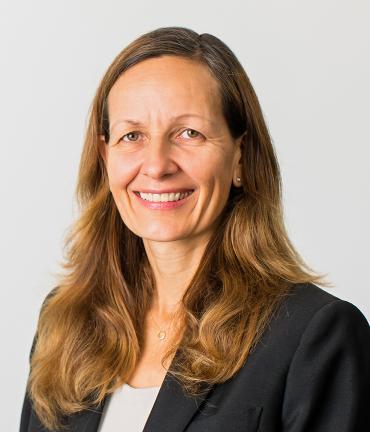
— Dr. Sabine Mueller, MD, PhD · UCSF
Neev's Doctor · Pediatric Neurologist · Pediatric Neuro-Oncologist
Our Research Strategy
How We Fund Research
Every research grant we fund is grounded in a simple truth: families facing DIPG and DMG are not waiting for incremental progress. They are living inside urgent questions that demand answers now. Our research strategy focuses on projects that directly address the barriers Neev faced and that other families continue to face:
Dia.
Better Diagnosis
Improving imaging, biomarkers, and tools to identify disease progression earlier and more accurately, reducing the uncertainty families live with.
Ther.
Smarter Therapy
Understanding treatment timing, combination approaches, and personalized medicine to maximize effectiveness while minimizing toxicity.
Res.
Resistance
Mapping why tumors escape treatment and identifying new targets for therapies designed specifically for DMG biology.
Funded Research Projects
Active Grants & Project Updates
Most recent first. Click any project to expand its full details.
Project
Principal Investigator(s)
Amount Funded
Year
Institution
The Gut Microbiome: A New Frontier in DMG Treatment Response
Dr. Sabine Mueller, Dr. Jasper van der Lugt & Dr. Cassie Kline
$165,000
2025 and 2026
UCSF, Princess Maxima Center & Children's Hospital of Philadelphia
This groundbreaking research explores how the microbiome influences treatment response and toxicity in DMG patients. Initial findings suggest baseline microbial diversity may influence survival outcomes and treatment-related side effects.
Why This Matters:
For Neev, the cost of treatment was constant — rashes, nausea, fatigue. But Neev was also the first patient to show something remarkable: that modulating the gut microbiome could manage that toxicity and let a child stay on the recommended dose instead of being forced to reduce it. This single observation is what this research is built on.
Identifying and Targeting the Cell-to-Cell Interactions Driving DIPG Growth After GD2-CAR-T Cell Treatment
Dr. Embla Steiner Malka & Dr. Michelle Monje
$25,000
2025
Stanford University
We funded this project because Neev's tumor was always one step ahead of us, and we have spent every day since trying to understand why.
In DIPG, the tumor isn't simply hiding from treatment. It is living inside the most active tissue in the body, the brainstem, where neurons are constantly firing, controlling Neev's breathing, his heartbeat, and every movement of his body. And the tumor has learned to listen to them. Recent research has shown that DIPG cells receive signals directly from nearby neurons, and grow in response. While we were doing everything we could to slow the tumor down, the brain itself was feeding it.
That is the part no one explained to us, because no one fully understood it yet. It is also why so many treatments that work in other cancers do not work in DIPG. Immunotherapies were designed for tumors surrounded by passive tissue, not firing neurons. The drugs already in use in DIPG were designed without that neural piece in mind, either.
This project finally makes the full picture visible. Using rare human DIPG tissue, single-cell and spatial mapping, and functional validation, researchers will build a complete map of how tumor, immune, and neural cells interact in real time. From that map come the targets, the points in that ecosystem where the right intervention could finally reach the tumor.
Funded in partnership with Chad Tough Defeat DIPG Foundation as a Research Partner.
Tree-House Initiative
Dr. Olena Vaske
$5,000
2025
UC Santa Cruz
We funded Treehouse because of something we learned the hard way. When we advocated for Neev's transcriptomic data and finally got it, we were stunned to discover there was no way for a clinician to use it to inform his care. The data was there. Real, detailed, potentially powerful. But without a way to compare it against thousands of other pediatric cases, it was effectively unreadable. We were holding critical information about our son's tumor that no one could turn into action.
That gap is exactly what Treehouse closes. It places each child's transcriptomics data against thousands of others, surfacing the patterns and actionable targets no individual analysis could find. For kids whose standard testing comes back inconclusive, it is sometimes the difference between "we don't know" and "here is something to try."
This is critical infrastructure. It isn't flashy. It doesn't make headlines. It is the careful, ongoing work of curating and openly sharing pediatric data so every child's case can illuminate the next, the same data that is now being integrated into the multi-modal datasets shaping the future of pediatric oncology.
Pediatric cancers are rare. Pediatric data is rarer. Platforms that pool what little we have are lifelines, and deserve to be funded like lifelines.
AI for Volumetric Assessment of DMG MRIs
Dr. Sabine Mueller, Dr. Andreas Rauschecker, Dr. Sarah Brüningk & Dr. Benjamine Kann
$50,000
2025
UCSF, University of Bern & Dana-Farber Cancer Institute
This global collaboration assembles the largest centralized DMG imaging dataset, enabling AI development for treatment response prediction and outcome forecasting.
Why We Funded This:
We believe the next answers won't come from any one expert — they'll come from technology trained on the experience of thousands of children at once. Radiogenomics can find connections between what an MRI shows and what tumor biology is doing — patterns invisible to the human eye, but readable to a machine that has seen enough cases. But none of that works without scale. We are funding the foundational layer beneath every breakthrough still to come.
De-risking Discovery: Unlocking Safe Targets for DMG Therapies
Dr. John Prensner
$68,900
2025
University of Michigan Medical School
We funded this project because almost every therapy Neev received was originally designed for another disease. Neev participated in four Phase 1 clinical trials. Every one used drugs developed for adult cancers and repurposed for pediatric use. Four trials. Four protocols. Not one designed from the ground up for the disease he actually had.
That is the quiet truth of DIPG: there are no frontline DMG-specific drugs on shelves. There are only borrowed ones, and parents who hope each new combination might finally be the one.
Building a therapy specifically for DMG requires something the field still doesn't have: a precise, validated set of targets that exist on DMG cells and nowhere else. These targets, called antigens, are the molecular addresses immunotherapies need to deliver their payload to the right place. With them, the next generation of treatments can be built from DMG biology, not borrowed from someone else's.
This project does the painstaking work of finding those addresses. By analyzing tumor tissue alongside normal brain regions, the researchers will identify protein fragments unique to a child's DMG cells. The result will be the first high-priority target list for DMG-specific immunotherapy: the foundation every future cell-based treatment will need. It doesn't generate an immediate headline. But without it, the headlines never come. For Neev, who took four shots at drugs built for someone else's cancer. And for the day a child is offered a treatment built specifically for the cancer they are fighting.
mRNA Reprogramming of Tumor-Associated Macrophages for DMG
Dr. Ernest Moles
$25,000
2025
Children's Cancer Institute & University of New South Wales
This research uses mRNA nanoparticles that can reprogram turned immune cells back, by re-educating them to recognize DMG as the enemy and attack it. The same approach may finally unlock CAR-T cell therapy in DMG, by warming a microenvironment that has so far frozen it out.
Funded in partnership with Chad Tough Defeat DIPG Foundation as a Research Partner.
We funded this because Neev's body never got the chance to fight back. Immunotherapy has changed cancer. CAR-T has put leukemia patients into remission. Children with DMG were not part of that revolution. The reason isn't the immune system's lack of will, it is that the tumor itself disarms it, creating what oncologists call a "cold" microenvironment. Through the Teiko platform, generously supported by our former board member Ramji Srinivasan, we monitored Neev's immune system in real time. What we observed was sobering: ONC201, the very drug that represented our hope, was acting as an immune suppressant in a tumor that was already immunologically cold.
Cell-Free DNA Whole-Genome Sequencing for DMG Clinical Trials
Dr. Sabine Mueller & Dr. Sebastian Waszak
$100,000
2024
UCSF & Centre for Molecular Medicine Norway
This project uses cell-free DNA (cfDNA) from blood and spinal fluid to read the tumor's genome from a simple blood draw or spinal tap. Serial samples, taken across PNOC clinical trials, let doctors see the tumor evolving in near-real time: which mutations are losing ground, which are gaining it, whether a therapy is truly working at the molecular level.
Why We Funded This:
We funded this project because of a moment that broke us: two of the country's leading premier institutes looked at Neev's same MRI, the same scan, the same images, and came back with opposite answers. One said progression. One said stable. We were left to decide whose read to follow, with our son's life hanging on the choice. With DIPG, imaging is often the only window we have, and Neev's tumor sat in his brainstem where biopsy is unsafe and repeat sampling is impossible. This project opens that box. It is the kind of evidence that doesn't depend on interpretation, the kind that doesn't leave parents standing between two expert opinions, alone.
Mapping DMG Response and Resistance to Therapy
Drs. Aaron Diaz & Javad Nazarian
$25,000
2023
UCSF & University Children's Hospital Zürich
Using tissue from children who received ONC201 or radiation, researchers will build a single-cell map of resistance: the genetic and epigenetic fingerprints that separate the tumors that yield from the ones that escape. If they find those fingerprints, two things become possible: doctors can know, before treatment begins, whether ONC201 is likely to work for a specific child, and researchers can design combination therapies that target the exact routes the tumor uses to survive.
Status: This research is pending review at the journal Neuro-Oncology.
Why We Funded This:
We funded this because Neev was on ONC201. For some children, it works. For others, it doesn't. And right now, no one can tell you in advance which child will be which. We lived inside that question. We watched. We hoped. That's the difference between hoping a drug works and understanding why. Between trial and error and precision.
Circadian Clock Regulation in Pediatric High-Grade Gliomas
Dr. Erin Gibson & Dr. Laura Prolo
$10,000
2022
Stanford University
This research investigates whether aligning chemotherapy administration with the body's natural 24-hour biological rhythms could enhance treatment effectiveness. Every cell in the body runs on a 24-hour clock, cancer cells included. Emerging research in adult brain tumors shows that the timing of when a therapy is delivered, aligned with the body's natural rhythm, can dramatically change how well it works and how long patients live.
This project asks the same question for pediatric high-grade gliomas like DIPG: whether the circadian clock is active inside DIPG cells, and whether aligning treatment with that clock could make existing therapies more effective and the tumor itself vulnerable.
We funded this because of something that haunted us through four Phase I trials: no one ever told us when to give Neev his chemotherapy. Four trials. Powerful, experimental drugs. The only timing instruction we ever received was "give it two hours before he eats." That's not a new drug. That's a smarter use of the ones we already have. For families fighting through trial after trial, that could mean everything.
Distinguishing Progression from Pseudoprogression in Gliomas Using 18F-Fluciclovine PET
Dr. Nabavizadeh & Dr. Mariam S. Aboian
$60,000
2022
University of Pennsylvania
We funded this trial because of the cruelest part of Neev's journey: the not knowing. Every scan was supposed to give us answers. Instead, we got questions. Is the tumor growing, or is this the treatment working? Do we stay the course, or change everything? The doctors, brilliant and devoted, would say some version of "we can't tell yet. We'll scan again in six weeks."
Six weeks is an eternity when your child has a brain tumor.
This trial (ClinicalTrials.gov Identifier: NCT05553041) tests a smarter kind of imaging using 18F-Fluciclovine PET that can tell real tumor progression apart from pseudoprogression, the treatment-related changes that mimic it on MRI. If it works, families get something we never had: a clear answer, sooner. The difference between "we'll watch" and "we know."
No parent should have to make life-and-death decisions for their child by guessing. We're funding this so the families who come after us won't have to.
Help Fund the Next Breakthrough
Every dollar funds research that brings us closer to answers. Every grant is inspired by families fighting this disease.
Blog & News
News, Research & Stories
Stay informed on childhood cancer breakthroughs, foundation updates, and advocacy wins.
The Neev Kolte Foundation awarded a $100,000 grant to Dr. Sabine Mueller and Dr. Sebastian Waszak at UCSF to advance cell-free DNA whole-genome sequencing research — a novel, noninvasive way to assess treatment response in DIPG clinical trials. Dr. Mueller also treated Neev Kolte.
2023NKF Research Team
Advocacy
33+ Bay Area Cities Proclaim September Childhood Cancer Awareness Month
Youth advocates inspired by Rayaan Kolte successfully lobbied 33+ Bay Area cities to declare September as Childhood Cancer Awareness Month — bringing national attention to the urgent need for pediatric cancer research funding.
September 2023NKF Advocacy Team
Events
Neev Kolte Foundation Gala
The inaugural Neev Kolte Foundation Gala raised $100,000 for DIPG research at UCSF, funding Dr. Sabine Mueller's groundbreaking cell-free DNA whole-genome sequencing study for ongoing clinical trials.
2023NKF Events Team
Advocacy
AB 703 Signed into California Law
After sustained advocacy from foundation founders and youth advocates, Rayaan Kolte delivered powerful testimony before the California State Assembly that helped move AB 703 across the finish line. The law was signed on July 28, 2025 — a major victory for pediatric cancer families statewide.
2025NKF Advocacy Team
Contact Us
We're Here for You
Whether you're a family seeking help, a researcher interested in a grant, or a supporter wanting to learn more — reach out.
Send a Message
Get in Touch
Loc.
Location
3677 Dunsmuir Cir Pleasanton, CA 94588
Tel.
Phone
General: (619) 341 0836 Mon–Fri, 9 AM – 5 PM PST
Out.
Website & Email
neevkoltefoundation.org Reach us through the contact form on this page or visit our website for the latest updates.
Apply for Help
You Don't Have to Face This Alone
Our Family Aid Fund provides direct financial assistance to families navigating a childhood cancer diagnosis.
Eligibility
Who Qualifies?
Aid Fund Eligibility
Child diagnosed with DIPG, diffuse midline glioma (DMG), or any childhood cancer
Currently in active treatment or palliative care
U.S. resident (all states eligible; bilingual Spanish support available)
Application submitted within 18 months of diagnosis
No income cap — need is assessed individually
Aid Application Form
Step 1 of 3 — Patient Information
What We Can Help With
Flights to treatment centers
Hotel stays near the hospital
Gas and transportation costs
Temporary lost-wages assistance
In-home care and respite services
Help navigating insurance claims
Application Timeline
Typical review: 3–5 business days First disbursement: within 10 days of approval. Most families receive multiple grants over the course of treatment.
"I filled out the form on a Tuesday. By Friday, the Foundation had covered our hotel. I don't know what we would have done without them."
— Ana, mother of Rodrigo, 7
FAQ
Is there an income limit? +
No. We assess need individually. Families from all income levels have received assistance. DIPG creates extraordinary expenses that can overwhelm even financially stable families.
Can I apply in Spanish? +
Yes. Please contact us at (619) 341 0836 or through our website at neevkoltefoundation.org and we will do our best to assist you.
Can we apply more than once? +
Yes. Families can receive multiple grants throughout treatment. There's no lifetime limit, though grants are subject to fund availability.
What if my child's diagnosis is not DIPG? +
We support families facing all forms of childhood cancer, including DIPG, diffuse midline glioma (DMG), other pediatric brain tumors, leukemia, and more. Contact us and we'll assess your case individually.
Our Work
Photo Gallery
Events, advocacy, research, and community moments.
 — Misha Mehta, President & Co-Founder